Hyper-Personalization in Restaurant Marketing: The Secret to 2026 Revenue Growth
Hyper-Personalization in Restaurant Marketing: The Secret to 2026 Revenue Growth
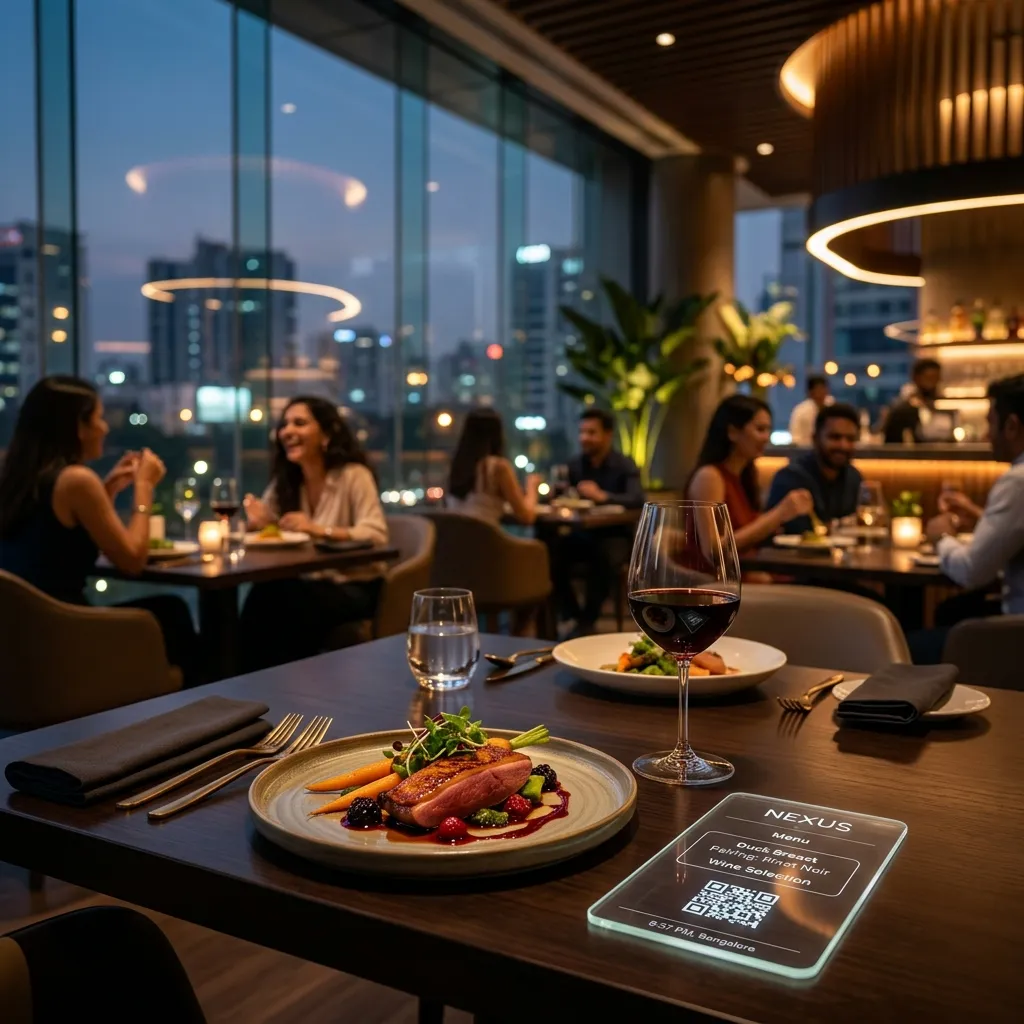
In 2026, the "one-size-fits-all" approach to restaurant marketing is officially dead. As diners become increasingly tech-savvy and their expectations for personalized experiences soar, hyper-personalization has emerged as the most critical driver of revenue growth. It’s no longer just about sending a generic "Happy Birthday" email; it's about understanding the specific cravings, dietary preferences, and dining habits of every single customer.
What is Hyper-Personalization?
Hyper-personalization uses real-time data and AI to provide products, services, and content that are specifically tailored to an individual. In the context of restaurants, this means moving beyond segmenting customers by "vague demographics" and instead focusing on "individual intent."
How AI Fuels This Growth
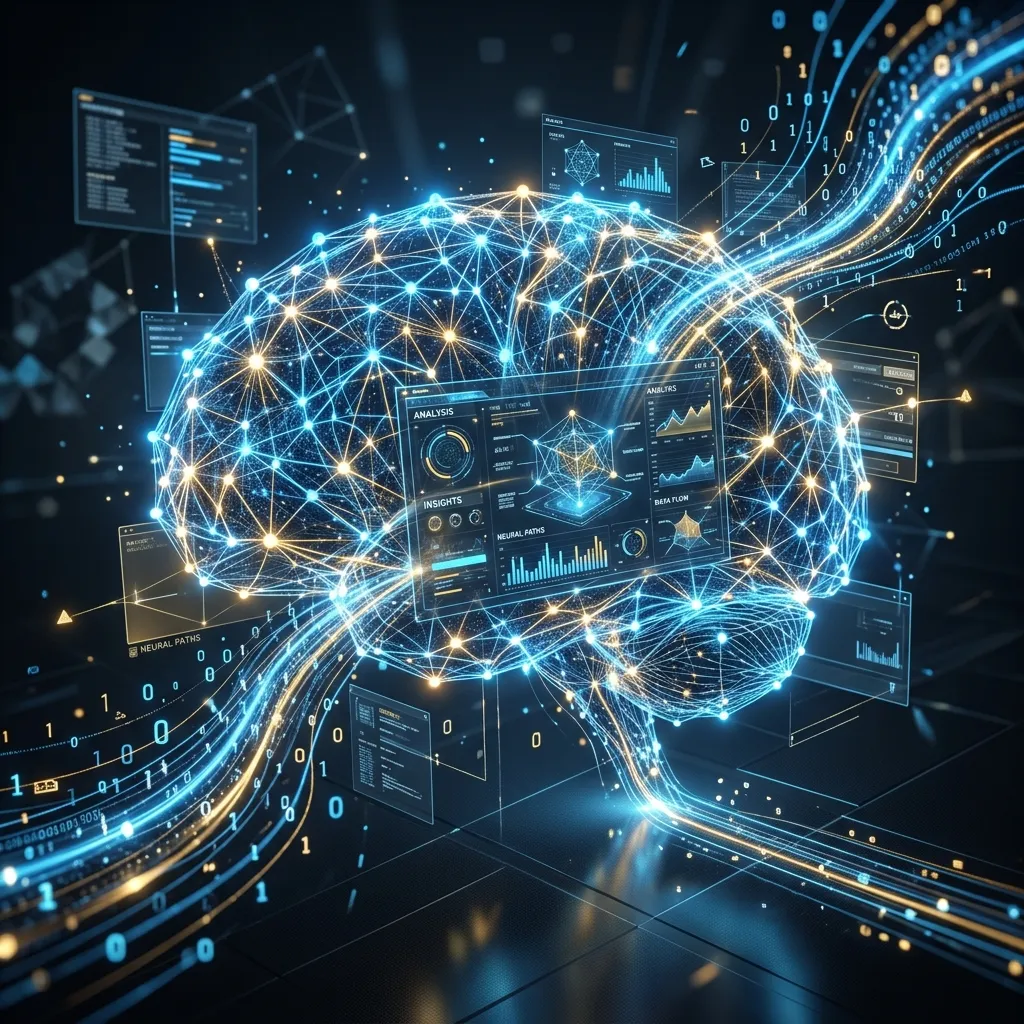
With the integration of AI Growth OS platforms like Naisora, restaurants can now:
- Predict Cravings: Analyze past order history to suggest the perfect dish before the customer even knows they want it.
- Dynamic Pricing: Offer personalized discounts to "at-risk" customers during slow hours.
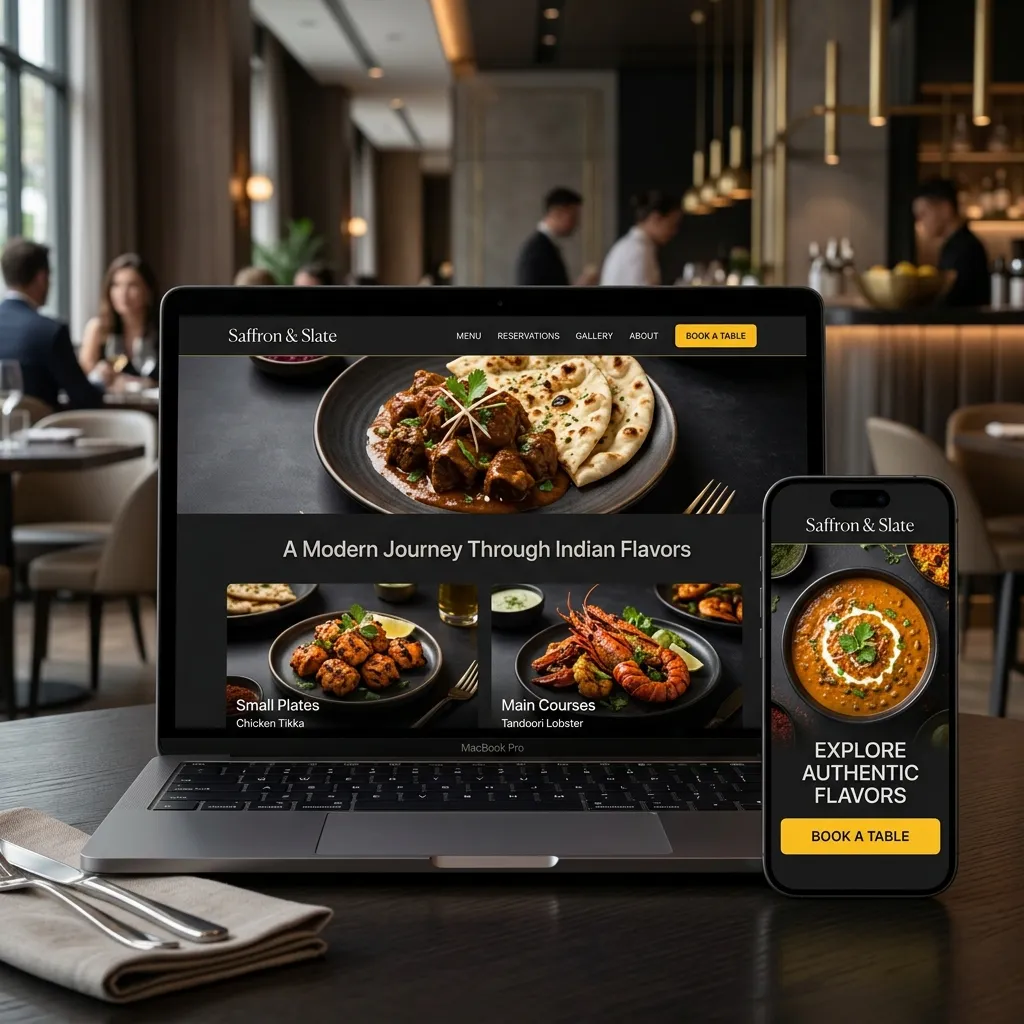
- Conversational Booking: Use AI concierges that remember a guest's favorite table and allergy requirements.
Why 2026 is the Year of the Individual
The rise of Generative Engine Optimization (GEO) and AI-powered discovery means that users are asking search engines very specific questions: "Where can I find a gluten-free Italian dinner with a romantic atmosphere and a quiet corner for two?"
If your marketing isn't hyper-personalized, you aren't just losing a click—you're losing a customer to a competitor who knows exactly how to answer that hyper-specific need.
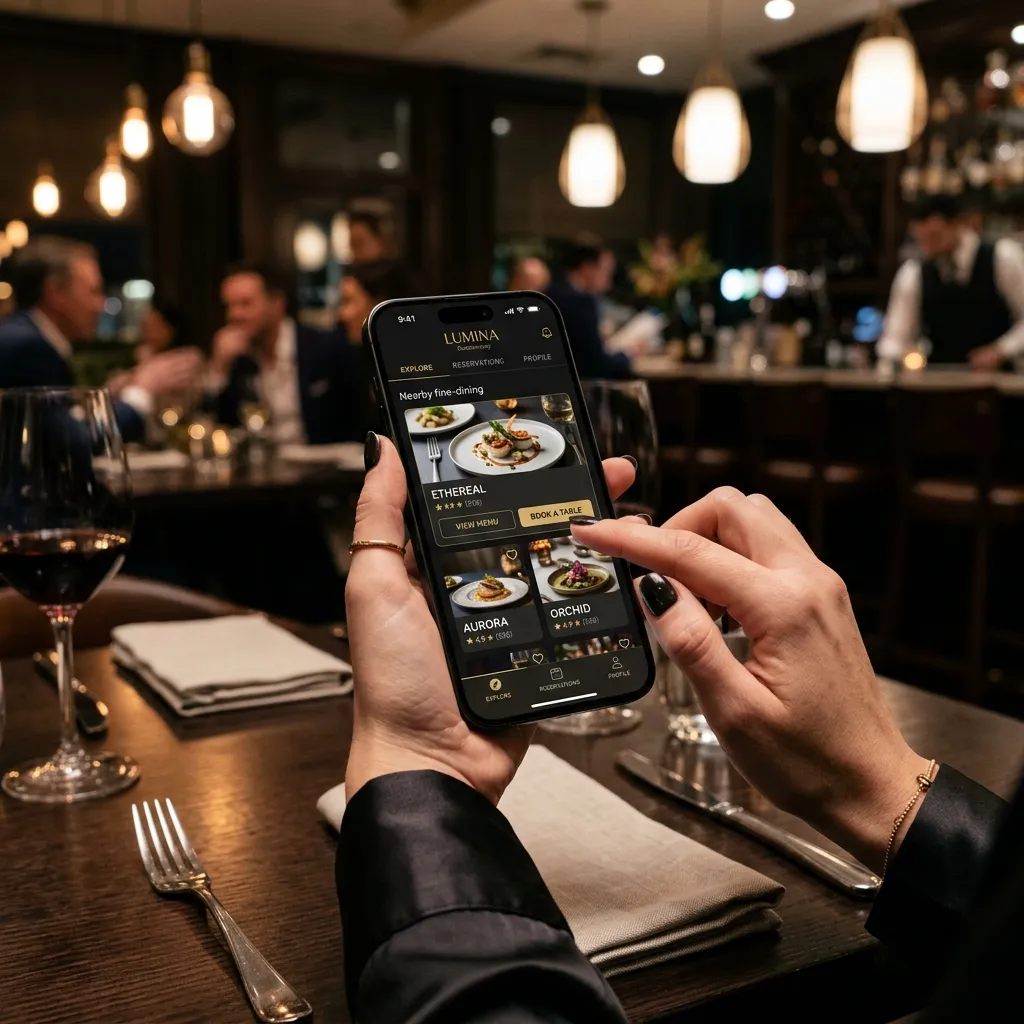
3 Strategies to Implement Hyper-Personalization Today
- Leverage First-Party Data: Stop relying on third-party scrapers. Collect data directly through your own reservation systems and loyalty apps.
- Implement AI Chatbots: Use intelligent assistants that can handle complex queries while maintaining a human-like, local vibe.
- Hyper-Local Social SEO: Use AI to generate content that resonates with the specific neighborhood culture and trending local topics.
Conclusion
Hyper-personalization is not a futuristic concept—it is the standard for 2026. By putting the individual at the center of your marketing strategy, you ensure higher retention, better reviews, and sustainable revenue growth.
Frequently Asked Questions (FAQ)
Q1: Is hyper-personalization expensive for small restaurants? A: Not necessarily. With modern AI tools and automated platforms, small businesses can implement data-driven strategies that were once only available to large chains.
Q2: How does data privacy factor into this? A: Transparency is key. Always ensure you are compliant with local data regulations (like GDPR) and clearly communicate to guests how their data is used to improve their experience.
Q3: Can AI replace human hospitality? A: No. AI is meant to augment hospitality. By handling the data and administrative tasks, your staff can focus on providing the warm, human connection that makes dining out special.
Naisora Team
Get the Naisora Intelligence in your inbox
Weekly breakdown of high-performing restaurant marketing strategies, technology trends, and Bangalore market insights.